

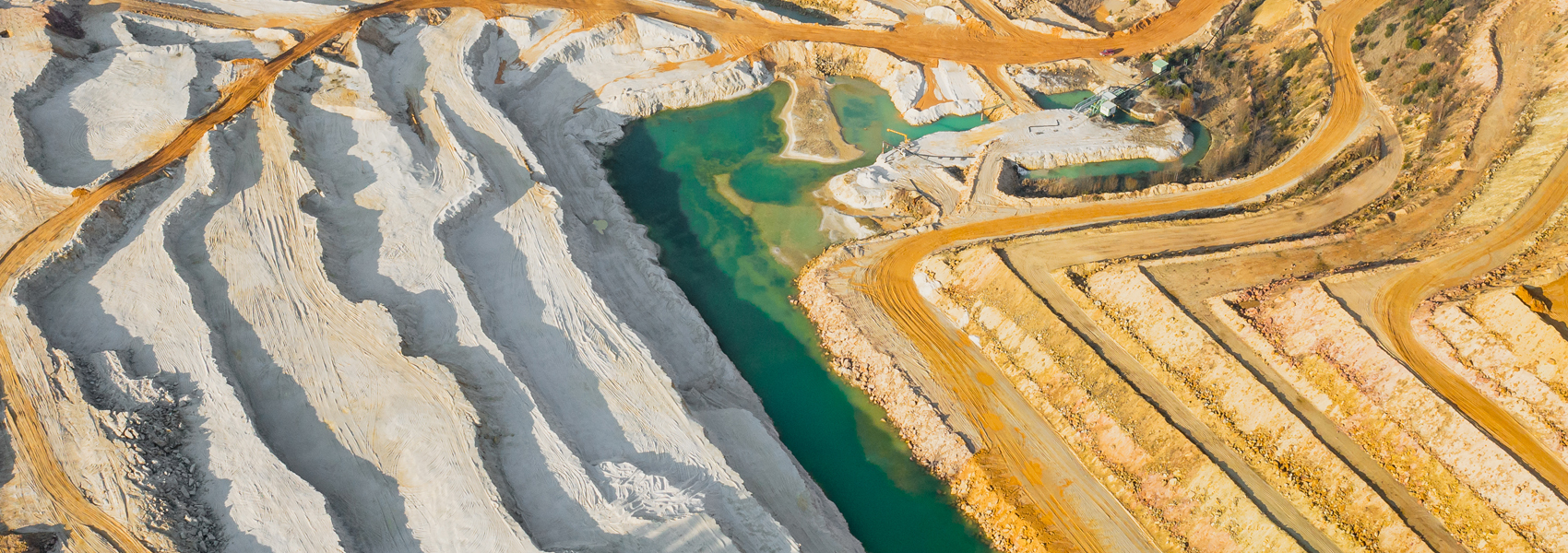
Africa is rich in natural resources ranging from arable land, water, oil, natural gas, minerals, forests, and wildlife. The continent holds a considerable proportion of the world’s natural resources, both renewables and non-renewables. Africa is home to some 30 percent of the world’s mineral reserves, eight percent of the world’s natural gas reserves, and 12 percent of the world’s oil reserves.
The Democratic Republic of Congo accounts for over 70 percent of global cobalt output and approximately half the world’s proven reserves. South Africa, Gabon, and Ghana collectively account for over 60 percent of global manganese production. Zimbabwe, alongside the Democratic Republic of Congo and Mali, holds substantial but yet-to-be-explored lithium deposits. Other countries with significant critical mineral reserves include Guinea, Mozambique, South Africa, and Zambia.
With growing demand, proceeds from critical minerals are poised to rise significantly over the next two decades. According to the IMF, Global revenues from the extraction of just four key minerals—copper, nickel, cobalt, and lithium—are estimated to total $16 trillion over the next 25 years in 2023-dollar terms. Sub-Saharan Africa stands to reap over 10 percent of these cumulated revenues, which could correspond to an increase in the region’s GDP by 12 percent or more by 2050. Given the volatile nature of commodity prices and the unpredictability over the future direction of technological innovation, these estimates have a high degree of uncertainty—but the general direction is certainly encouraging.
The region can generate even greater windfalls by exporting raw materials and processing them as well. Raw bauxite, for instance, fetches a modest $65 per ton, but when processed into aluminum, it commands a hefty $2,335 per ton in end-2023 prices. Yet the thousand trucks a day that carry unprocessed lithium from Zimbabwe to ports for shipping to China show that local processing options for critical minerals are too often limited.
Developing local processing industries could significantly boost value- added, create higher-skilled jobs, and increase tax revenues—thereby also supporting poverty reduction and sustainable development. By diversifying their economies and moving up the value chain, countries will become less exposed to volatile commodity prices and more able to protect themselves against exchange rate volatility and foreign currency reserve pressures.
Foreign direct investment can help provide the capital and expertise to develop mineral processing industries, but the absence of a substantial regional market makes local processing investments less enticing. Policymakers need to remedy this.
Percentage Share of World Mineral Reserves